
.jpg)
Saracena is a small town in the province of Cosenza, where olive growing has always been one of the cornerstones of the city's culture. Demonstrating this are the numerous thousand-year-old olive trees present in the area, which bring to light the historical-cultural value. Mediterranean temperatures and winds, which create a constantly dry environment, form the most suitable habitat for the production of highly genuine and high-quality oil.
Roggianella
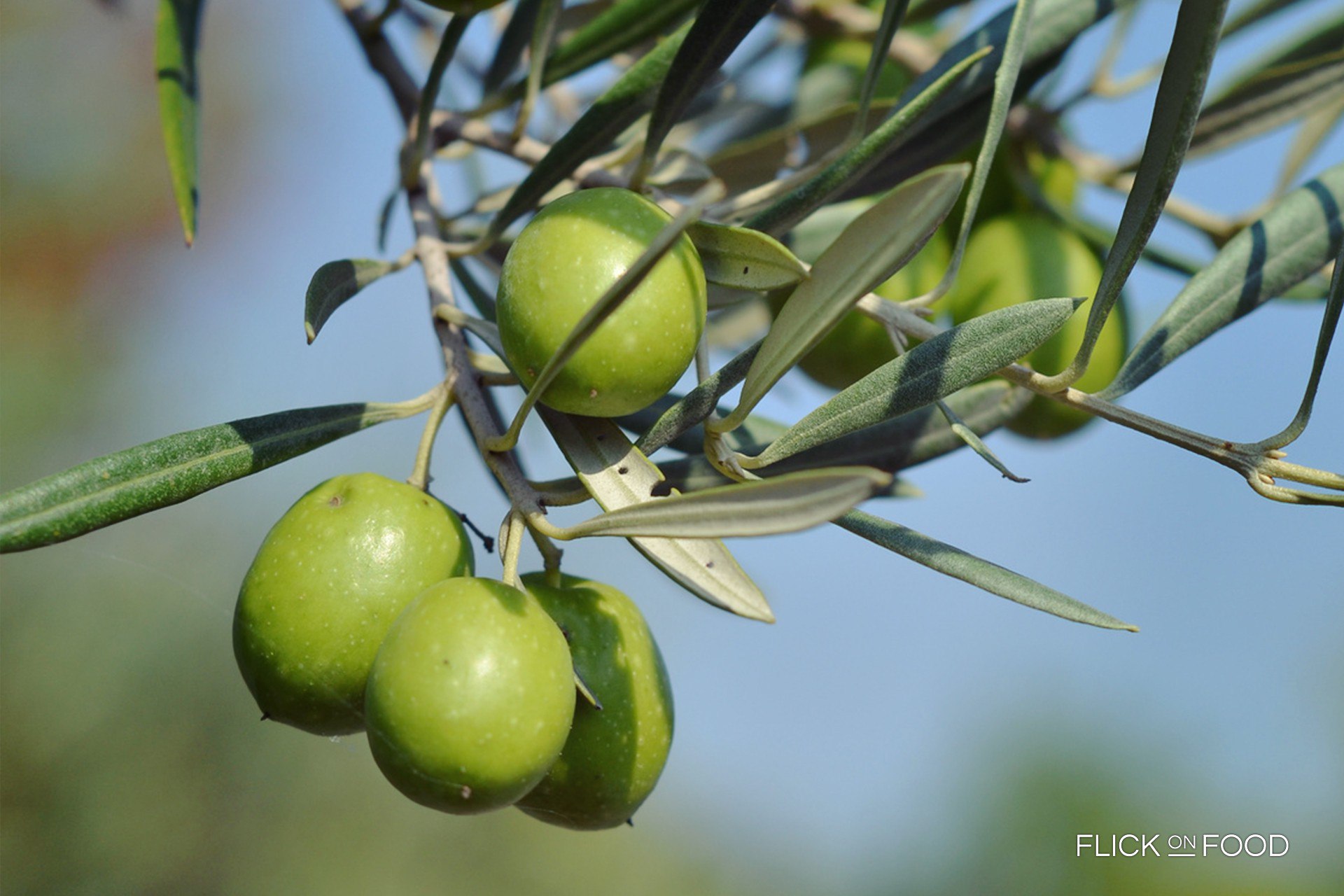
Agronomic considerations: Calabrian olive cultivars, among the most widespread, due to their high adaptability, very resistant to the most common olive tree parasites, self-pollination and the quality of the oil produced; it is also known by the names of Amaro, Gaetana, Rotondella, Roggianese, Spezzanota, Tondina and Vernile. Medium fruity with hints of almond, fresh grass and artichoke, a balanced taste with medium-high bitterness and spiciness. The recommended pairing is with fish-based dishes.
Saracena's Verace
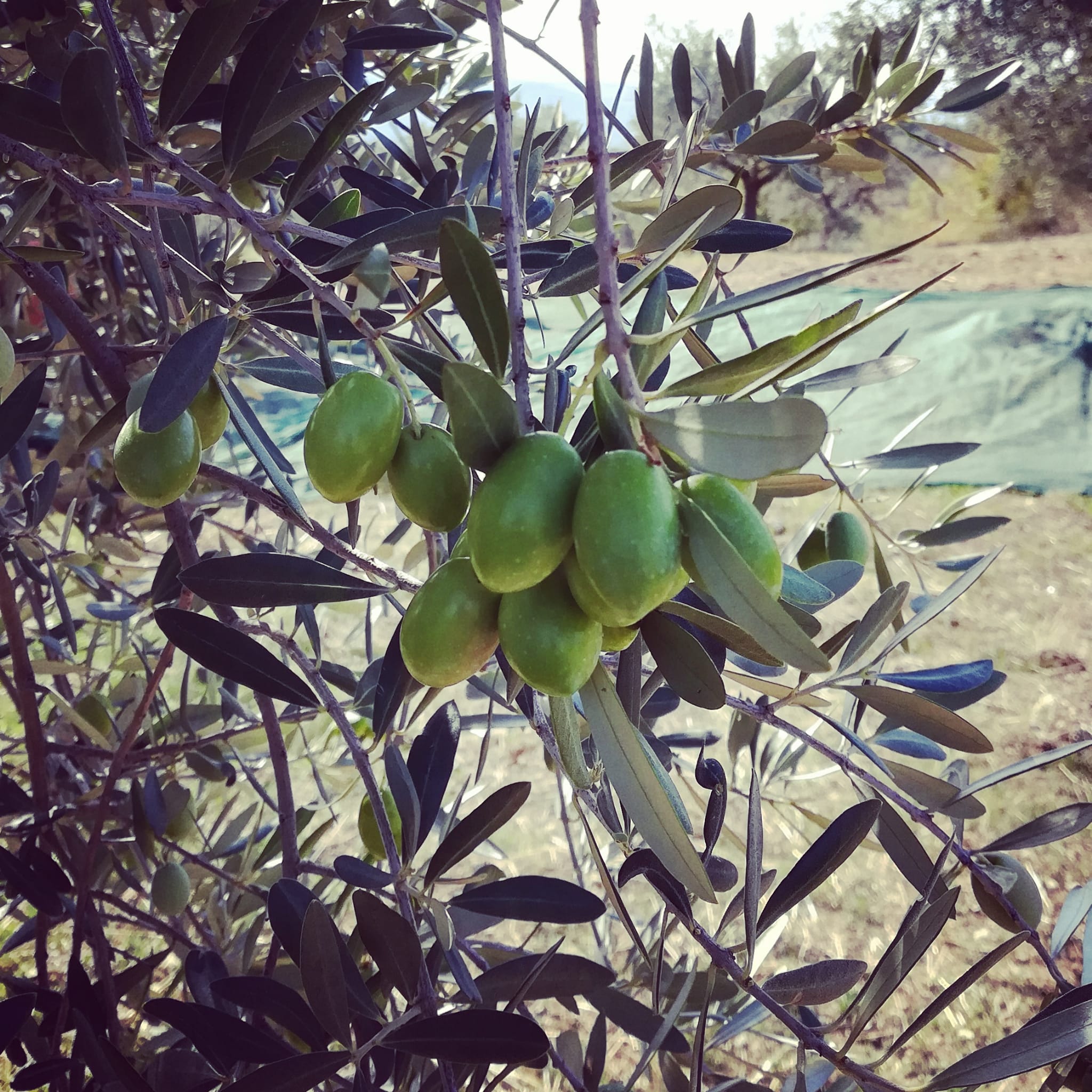
Agronomic considerations: cultivar symbol of the town, name deriving from the Latin verax which refers to the character of a "truthful, sincere" fruit. Olive tree with medium-large drupe, oval in shape, from which an excellent quality oil is extracted. For its organoleptic characteristics it far surpasses other cultivars, especially for its biochemical balance. Sensations of nettle, lettuce, field vegetables, citrus fruits and tomato. Well-calibrated perceptions of bitter and spicy, for an ideal pairing with a dip of fresh vegetables.
Forasana
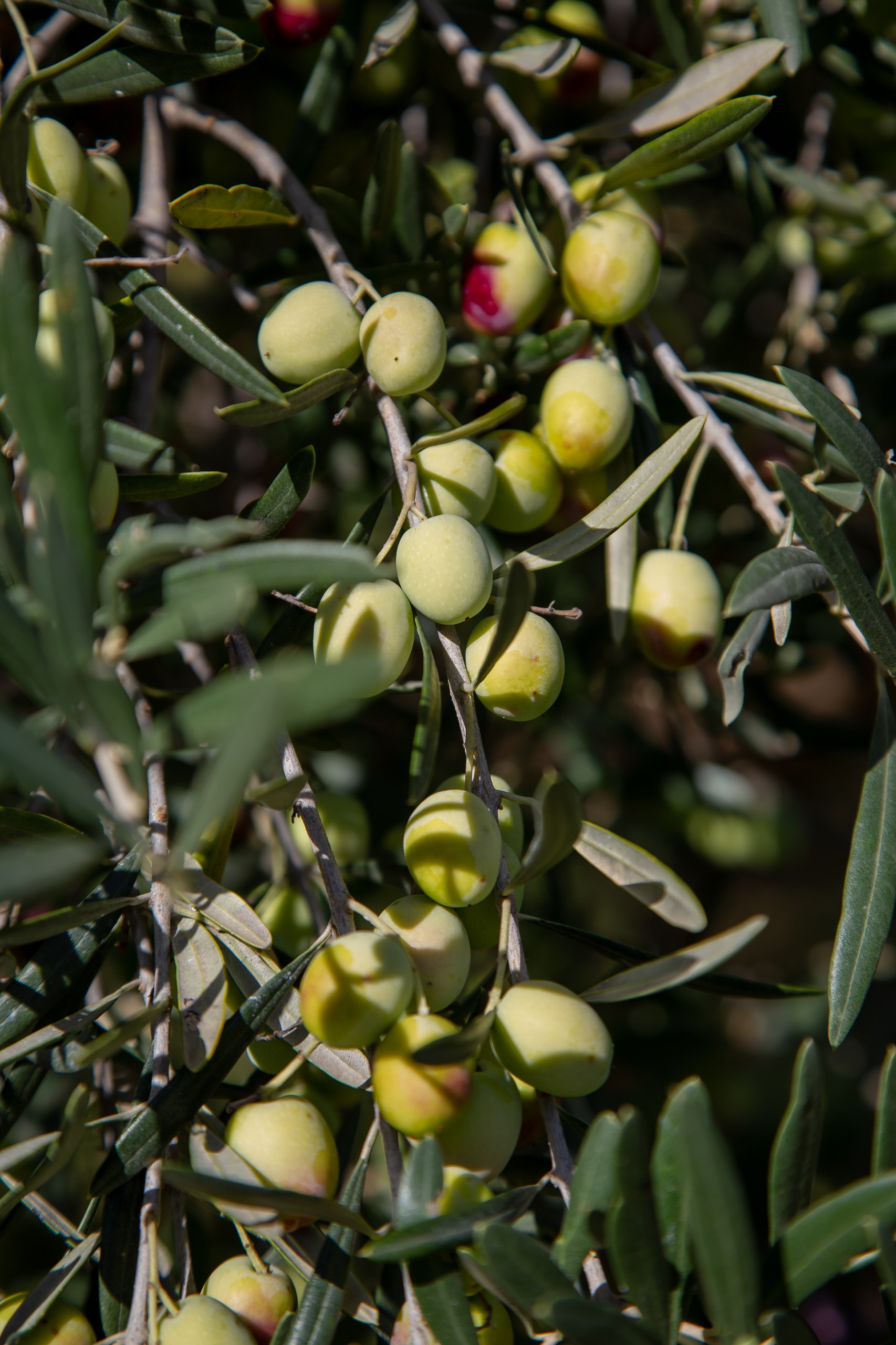
Agronomic considerations: the oldest and most widespread in the Pollino area. Dual purpose, good vigor and highly productive. The plant has a spreading habit and medium-thick foliage. The fruits are of good size, with a good pulp/stone ratio. Inolition proceeds rather slowly, so the harvest is often carried out towards the end of November. It has good adaptation to temperate-warm climates. The oil obtained is medium-intensely fruity with a pleasant bitter and spicy taste.
The oil produced is not a mono-cultivar but the fruit of all of these. The resulting final product is clear and dense enough for the right balance between bitter and spicy, with olfactory sensations that bring back hints of medium fruitiness. To be used especially raw on traditional dishes and for all dishes of the Mediterranean diet: first courses and long-cooked recipes, but also meat-based dishes, such as roast white meats.